+61455539529 (also available on WhatsApp)

7 Pet-Friendly Winter Campervan Destinations in Australia

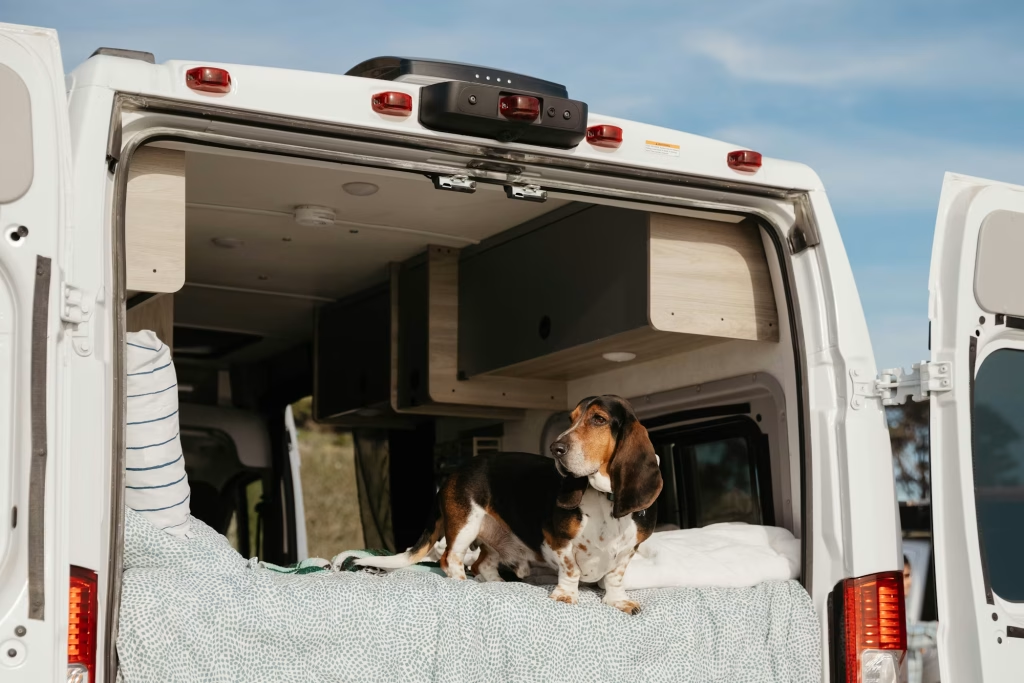
Dog standing on a bed inside a pet-friendly campervan with the rear doors open.

Summer road trips sound appealing and offer many advantages in Australia; however, if you plan to travel with your pet (which you can do in a Campervan), then being cooped up in a van is not always easy. Winter offers a different kind of road trip.

There are usually fewer crowds, cooler walking conditions, and more space to slow down. Beaches and regional towns also feel calmer, which means more space for you and your pet to roam.

This blog covers the 7 best winter pet-friendly destinations in Australia that you can enjoy with your pet(s), and once the destination starts to take shape, the next step is finding a campervan that suits your route. That is where Campervan Rental Shop can help.

As a traveller, we encourage you to compare campervan hire options across Australia on our website. From some of the cheapest campervans available, to luxury options, we can help you, and if you have a dog or cat, tell our Chatbot when you ask about campervans right for you. We will help you find a vehicle perfectly suited for you and your pets.


1. Sunshine Coast, Queensland

Queensland is a great holiday destination in winter as it has a milder climate than much of the rest of Australia. Consider basing your trip around areas such as Noosa, Coolum, Maroochydore, Mooloolaba, Caloundra, or the hinterland towns. This is a good route for you if your pets enjoy being part of the day, from morning walks to relaxed afternoons at an outdoor café.


2. Hervey Bay, Queensland

Look into Torquay, Scarness, Point Vernon, Urangan, or Burrum Heads as possible bases. These areas work well for pets because the pace is gentler, the coastline is accessible, and there are plenty of simple outdoor stops to build the day around.

This is a lovely choice for older dogs, nervous pets, or travellers who want a quieter winter escape.

3. Northern New South Wales Coast

A route through Byron Bay, Ballina, Evans Head, Yamba, Nambucca Heads, or Coffs Harbour gives pet owners plenty of towns to research without committing to one fixed style of trip. It is especially useful for travellers who want flexibility and do not want every stop to feel the same.


4. Port Macquarie and the Mid North Coast, NSW

This region has a strong holiday park culture, plenty of coastal towns, and a good mix of beaches, rivers, and relaxed walking spots.

Look into areas such as Port Macquarie, North Haven, Laurieton, South West Rocks, Crescent Head, or Harrington.


5. Great Ocean Road, Victoria

For pet-friendly planning, look into Torquay, Anglesea, Lorne, Apollo Bay, Marengo, Port Campbell, Warrnambool, or Port Fairy. The key here is to plan carefully around national park boundaries and beach restrictions, because some of the most famous natural areas may not be suitable for dogs.


6. Barossa Valley and Adelaide Hills, South Australia

The Barossa Valley and Adelaide Hills are better suited to travellers who want country towns, regional food, open-air venues, and gentle walks. It is also cooler during winter than Queensland, so make sure you rug up. On-board showers could be something you want to ask us about to save cold dashes to the camp ground facilities. 

Research Tanunda, Nuriootpa, Angaston, Hahndorf, Mount Barker, Stirling, or Lobethal for possible stops. 


7. Margaret River Region, Western Australia

Margaret River works well for travellers who want the winter road trip to feel scenic and a little indulgent. Look into Busselton, Dunsborough, Yallingup, Cowaramup, Margaret River, Augusta, or Prevelly. These towns give travellers different ways to shape the trip, from beach walks to food stops to cosy nights parked up after a day of exploring.


Make the Campervan Comfortable for Winter

Winter travel feels much better when the campervan is set up with your pet in mind. Think about where they will sleep, how you will keep them warm, and how you will handle wet paws after walks or beach stops. A few simple things can make the trip easier for both of you.

  • Warm bedding or a familiar blanket
  • Extra towels for wet paws and fur
  • A pet jacket for short-haired or older dogs
  • Pet wipes for muddy stops
  • A waterproof lead or harness
  • A spare dry collar
  • Food and water bowls
  • Poop bags
  • Medication and vaccination records
  • A favourite toy or chew


Where possible, choose powered campsites during colder parts of the trip. This can make evenings more comfortable and help keep the campervan easier to manage in winter conditions.


Find a Campervan for a Pet-Friendly Winter Road Trip

Planning a winter trip with a pet can bring up a few extra questions, and that is okay. 

The easiest place to start is with the Campervan Rental Shop chatbot. It will help suggest campervans based on your trip requirements. From there, you can request a quote from our team. We’ll help you look at suitable options, share road trip advice where needed, and work to secure the best price possible.

With over 15 years of campervan rental experience and friendly support available 7 days a week, you can ask us anything about your trip.

Book your campervan today and start planning a winter road trip with your pet here.


Read More

Campervan vs Motorhome: Which One Should You Hire for Your Australian Road Trip?

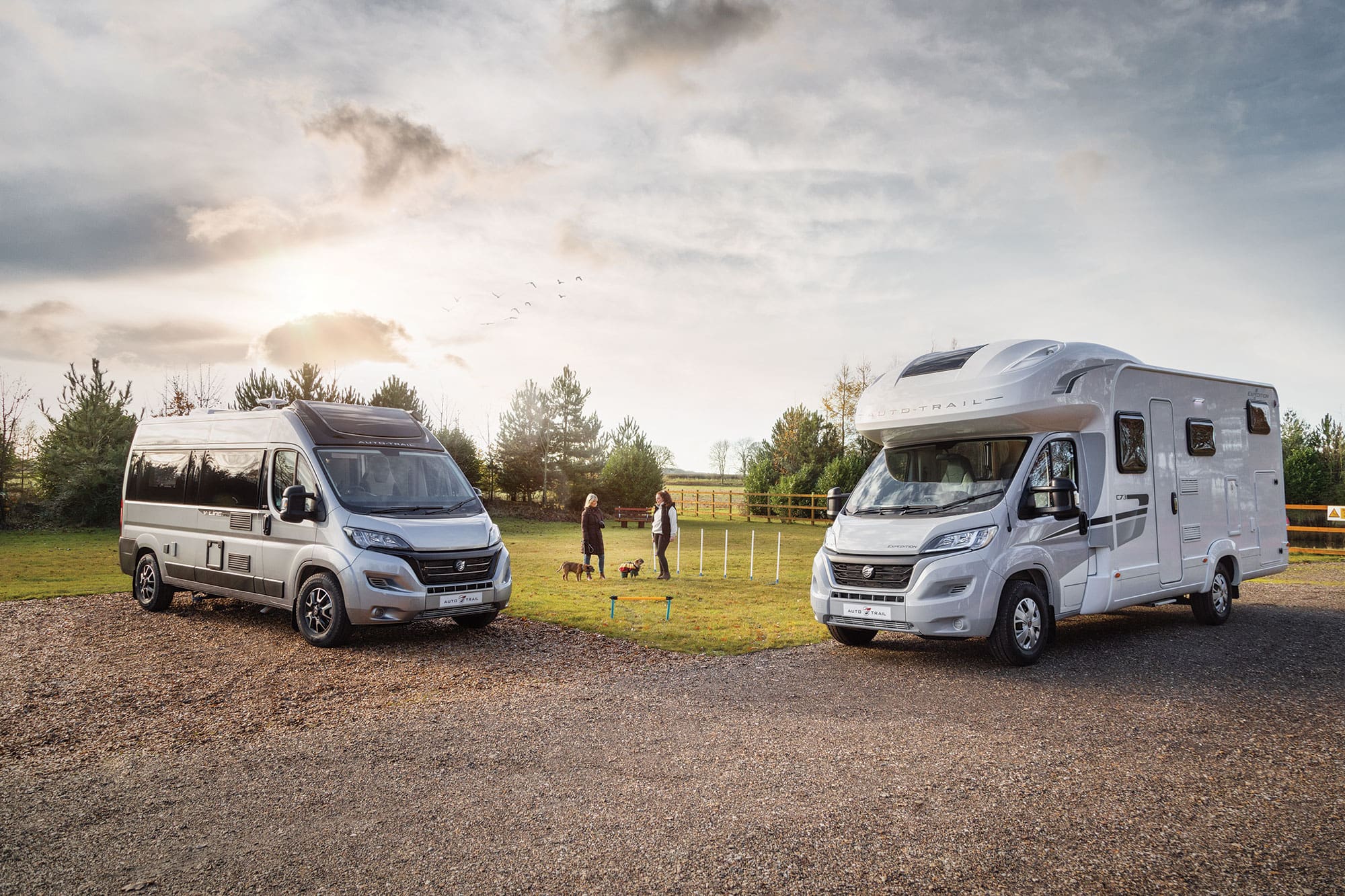
Campervan and motorhome parked outdoors in a campsite setting, showing the size and design difference between the two vehicles.

Two of the most popular choices are campervans and motorhomes, mainly because they combine transport and accommodation in one vehicle. However, they’re designed quite differently.

If you’re planning your first campervan trip, it can be difficult to know which option will suit you best. And if you’ve done a road trip before, you might already have a better idea of what you want this time. 

In the next sections, we’ll walk through the key differences between campervans and motorhomes so you can decide which option is likely to work best for your trip.

Campervan vs Motorhome Comparison Table

Feature Campervan Motorhome
Berth Capacity 2–4 berth 4–6 berth
Vehicle Size Smaller van-style vehicle. More compact and easier to move around with. Larger vehicle with more interior space and a taller body.
Amenities Sleeping area, small kitchen (fridge, stove or cooking setup), and storage for luggage and supplies. Usually includes a full kitchen, bathroom with shower and toilet, larger beds, and more storage space.
Driving Experience Drives similarly to a large van or SUV. Easier to park, easier on narrow roads, and often more comfortable for first-time drivers. Larger vehicle that takes a little more care when parking or turning, but offers more space and comfort once parked.
Comfort for Longer Trips

You can also explore different road trip destinations across Australia here.
Works well for shorter road trips or If you plan to spend most of your time outdoors. Better suited for longer journeys. The extra space and onboard facilities become more useful then.
Starting Price  From around $39–$49 per day, depending on the vehicle and travel dates. From around $179–$200 per day, depending on the vehicle and travel dates.
Best Fit For Couples, solo travellers, or smaller groups who want a simple and affordable road trip setup. Families or groups looking for more comfort, more space, and extra onboard facilities during the journey.


Quick Summary: Campervan vs Motorhome

If you want something more compact, easier to drive, and generally more budget-friendly, a campervan may be the better fit.

If you want more space, more onboard facilities, and a setup that feels more comfortable for longer trips, a motorhome may suit you better.

At Campervan Rental Shop, there are options across both categories, so it really comes down to how you want the trip to feel once you’re on the road.

Some of the available options for campervans and motorhomes are:

Campervans

  • Spaceship Beta
  • TA Station Wagon 5 Berth

Motorhomes

  • Apollo Euro Quest 4 Berth
  • LR Superior Motorhome 4 Berth

Explore the full range here to compare different vehicles here. 


Read More

First-Time Campervan Trip? What to Know Before You Book in Australia

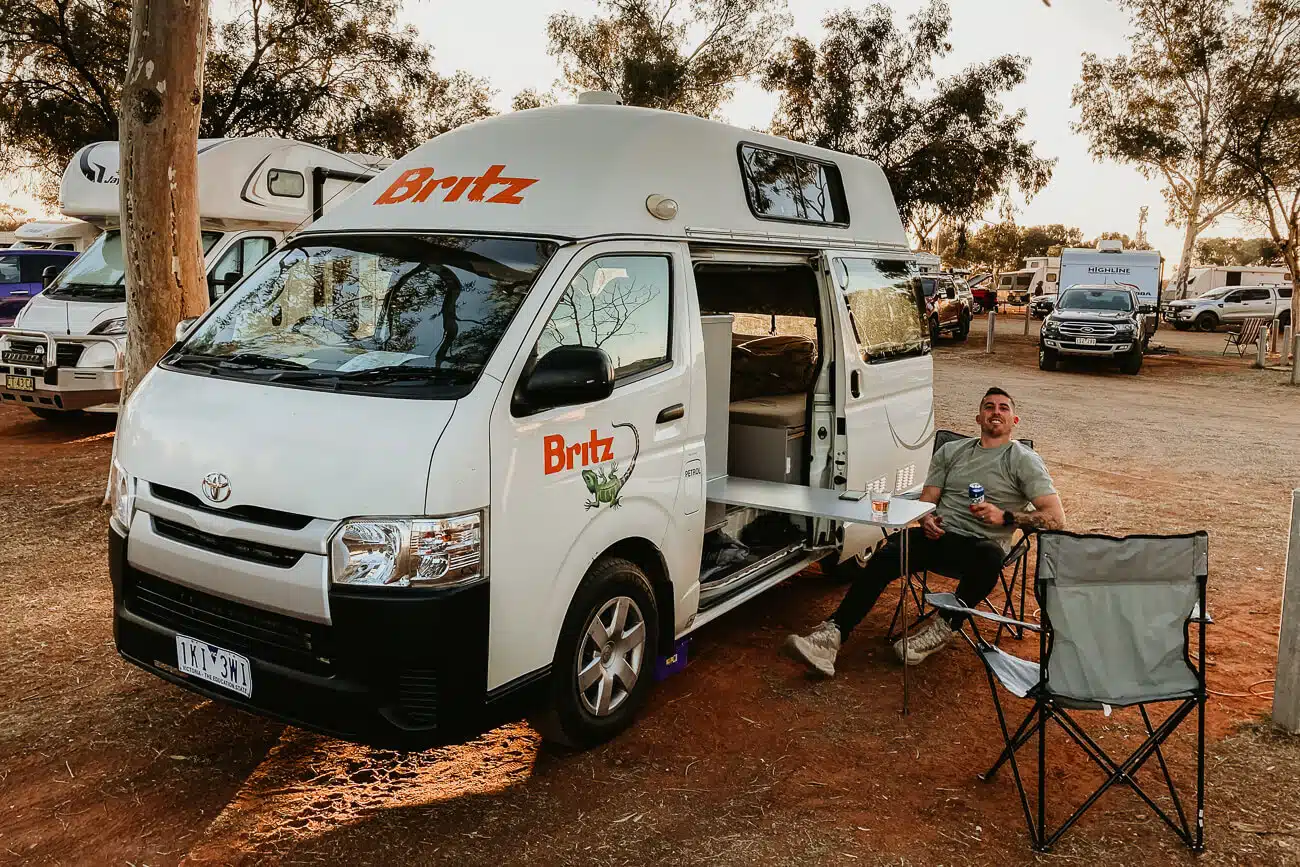
A man sits in a folding chair next to a white Britz campervan at an unpaved campsite during the day.

The first trip can feel like a lot: choosing a vehicle, planning a route, and trying to guess what it will all actually cost.

The reality is that campervan travel is far more straightforward than it seems. You’re combining your transport and accommodation into one, which means fewer moving parts to organise and a lot more flexibility once you’re on the road.

If you’re getting ready to book your first campervan, here are the key things worth knowing before you lock anything in.

1. Choose the Right Type of Campervan

Start with how you actually want to travel day to day.

Smaller campervans are compact, easier to park, and generally more affordable. They suit solo travellers, couples, and shorter trips where you expect to spend most of your time outdoors.

Larger motorhomes provide more headroom, storage, and onboard facilities. Features like a separate bathroom and a larger kitchen can make a noticeable difference on longer journeys, or if you’re travelling with family.

If you’re unsure which option fits your plans, this guide is a useful breakdown of the key differences:

Campervan vs Motorhome: Which One Should You Hire for Your Australian Road Trip?

It covers space, facilities, driving experience, and comfort so you can align the vehicle with your travel style.

You can also see the current range of campervans and motorhomes here.


2. Know What’s Included in the Vehicle

Before you book, check exactly what comes with the campervan.

Most vehicles include the core essentials:

  • sleeping area
  • basic cooking facilities or a small kitchenette
  • fridge or cooler
  • storage space for luggage
  • indoor seating or dining area

Larger motorhomes may add:

  • bathroom with a shower and a toilet
  • larger kitchen setup
  • more interior living space

Look closely at the equipment list. Some rentals include bedding, towels, kitchen kits, and outdoor chairs as standard. Others treat these as paid extras. Knowing this in advance helps you avoid bringing unnecessary gear or being surprised by add-on costs at checkout.

A simple test is to picture a full day on the road – from morning coffee to going to bed – and confirm the vehicle has what you need for that routine.


3. Match the Vehicle to Your Group Size

Berth capacity is more than just how many people can technically sleep in the van.

Most campervans range from 2-berth models up to 4- or 5-berth layouts. Motorhomes often offer more flexible sleeping arrangements and extra floor space, which is useful for families or longer trips.

If you’re travelling for more than a few days, a little extra room usually pays off. It gives you space to move around, store luggage neatly, and handle rainy days without feeling cramped.

As a rule of thumb, avoid choosing the smallest possible option if you’re already unsure about space.


4. Sketch Out Your Route Before You Book

You don’t need a detailed itinerary, but you should have a rough outline of where you’re going.

A basic route helps you:

  • estimate how many days you’ll realistically need
  • choose a logical pickup and drop-off location
  • understand how much driving each day will involve

Australia’s road trips range from coastal drives to national parks and inland routes. Distances can be longer than they appear on the map, so it’s worth planning with that in mind.

If you’re still deciding where to go, these destination ideas are a good starting point here.

Even 10–15 minutes of route planning can clarify which type of vehicle and hire period will make sense.


5. Understand Campervan Hire Pricing

Campervan hire costs in Australia vary based on vehicle type, season, location, and how far in advance you book.

In general:

  • smaller, simpler campervans sit at the more budget-friendly end
  • larger motorhomes with bathrooms and extra features cost more per day
  • peak periods (school holidays, summer, major events) are priced higher and book out earlier

For a more detailed breakdown of typical price ranges and what affects them, you can read:

How Much Does It Cost to Hire a Campervan in Australia in 2026?

The guide walks through example costs and shows how your choices (vehicle size, timing, route) influence the overall budget.


6. Factor In the Rest of Your Trip Costs

The daily hire rate is only one part of your total spend.

Common additional costs can include:

  • Fuel – especially on longer routes between cities and regional areas.
  • Campsites and caravan parks – particularly if you want powered sites and full facilities.
  • Insurance upgrades – reducing your excess for more peace of mind.
  • National park passes – for certain parks and protected areas.
  • Optional extras – child seats, outdoor furniture, GPS units, or extra bedding.


7. Read the Insurance and Protection Details

Insurance is worth understanding before you arrive at the depot.

Most rentals include a basic level of cover, but with a higher excess. You can usually pay more per day to reduce that excess and add extra protection.

When you compare options, check:

  • the standard excess amount
  • the reduced excess options and their daily cost
  • any exclusions (for example, windscreens, tyres, overhead or underbody damage)


8. Get Comfortable with the Driving Basics

If you’re new to driving in Australia or to driving a larger vehicle, set a few simple ground rules.

In Australia:

  • you drive on the left-hand side of the road
  • seatbelts are required for every passenger
  • everyone must travel in a proper, seatbelted seat (no sitting at the table or lying in bed while moving)

Plan realistic driving days with time for stops and avoid driving at dawn, dusk, or at night in rural areas, when wildlife is more active.

In more remote regions, it’s sensible to fill up with fuel regularly, carry drinking water, and download offline maps in case reception drops out.


9. Know Where You Can Stay Overnight

Overnight parking rules are not the same everywhere. Many towns, particularly in popular coastal areas, don’t allow sleeping in vehicles in regular car parks or on residential streets. Fines are common in these areas.

Most campervan travellers choose to stay in:

  • holiday parks and caravan parks (often with powered sites)
  • designated campgrounds near national parks or attractions

Powered sites let you plug into mains electricity, recharge the camper’s house battery, and comfortably run built-in appliances. Holiday parks typically offer showers, toilets, camp kitchens, and laundry facilities.

Some regions also offer budget or free camping areas, particularly inland. These range from simple rest areas to more established sites. Certain places are restricted to self-contained vehicles (those with their own toilet and waste storage), so it helps to know whether your campervan meets that standard before you rely on those options.


10. Pick a Practical Pickup Location

Finally, choose a pickup location that aligns with your route rather than starting “anywhere and driving from there.”

Collecting your campervan in a major city makes it easier to access popular routes and nearby destinations. You can compare options across several key locations with us, including:

  • Sydney
  • Melbourne
  • Brisbane
  • Cairns
  • Perth
  • Hobart

Once you’ve chosen a starting point, you can map out where you’ll go from there and roughly how many days you’ll need. From that point, booking the right campervan becomes a straightforward final step rather than the first big hurdle.

Start Planning Your Campervan Adventure

If you’re ready to start planning your road trip, you can explore the campervans and motorhomes here


Read More

What to Pack for a Campervan Holiday in Australia

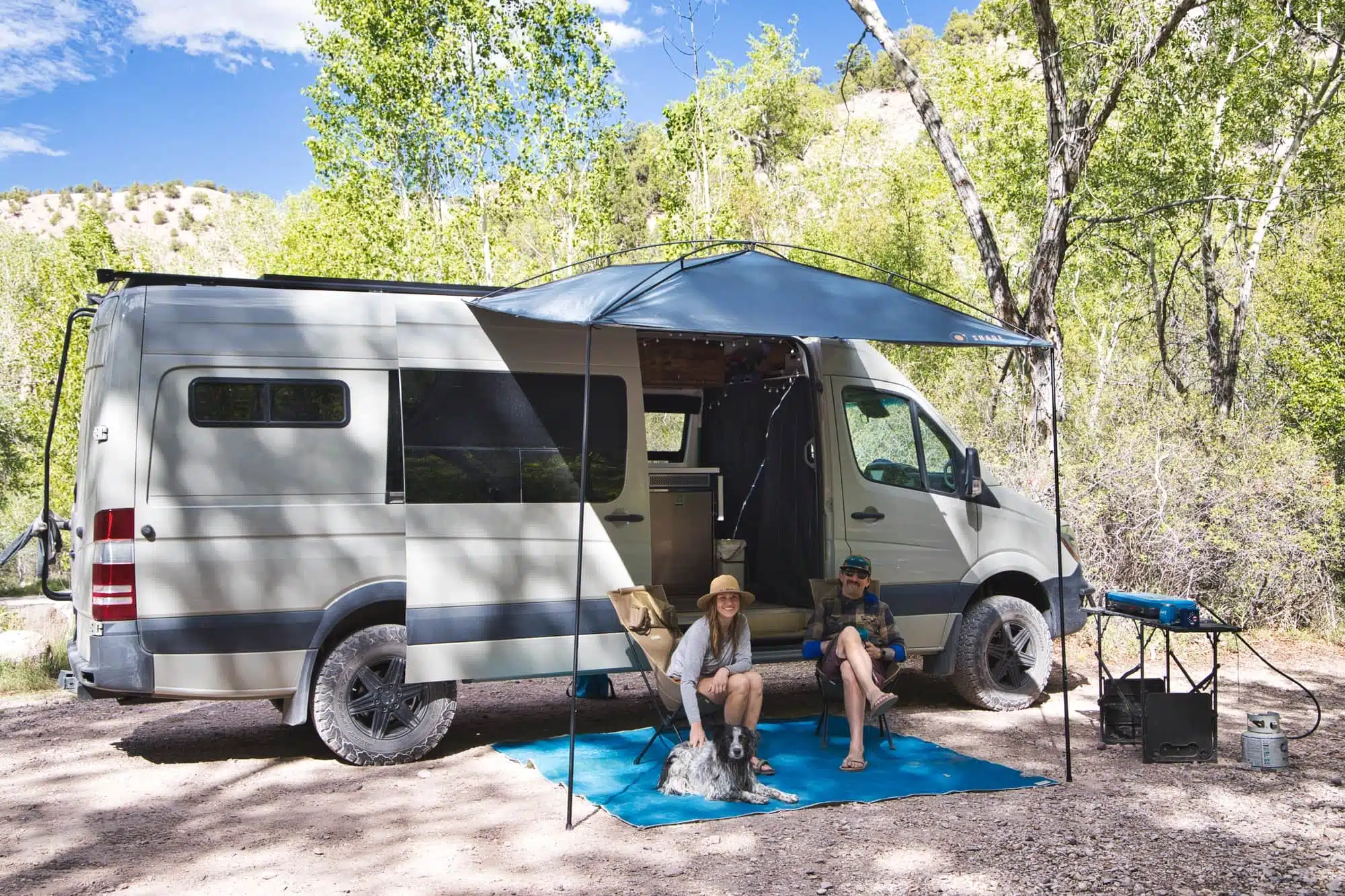
A couple sits with their dog under a van awning at a sunlit mountain campsite.

Packing for a campervan trip feels a bit like setting up a tiny holiday home on wheels. You don’t need a lot, but you do want the right things so the van feels organised and easy to live in.

Here’s a guide to what’s worth packing for a campervan holiday in Australia.

1. Clothing

Space is limited, so it helps to pack light. Soft bags or duffels are better than hard suitcases because they squish down and can be tucked away easily.

Instead of planning lots of outfits, think in layers:

  • Light, breathable clothes for warm days
  • A jumper or fleece for cooler evenings
  • A light jacket (waterproof if you’re heading somewhere wetter or cooler)
  • Comfortable shorts and/or lightweight pants
  • Swimwear – there’s almost always a chance for a swim
  • Relaxed sleepwear you’re happy to wear around the van

Most people end up wearing the same favourites on repeat, and many holiday parks have laundries, so you don’t need as much as you think.

For shoes, three pairs are usually plenty: everyday trainers or walking shoes, flip-flops, and maybe one pair of casual sandals.

2. Toiletries and Personal Items

Toiletries take up a surprising amount of room, so this is a good place to keep things streamlined.

Stick to your everyday essentials:

  • Toothbrush, toothpaste, deodorant, skincare
  • Shampoo and body wash in smaller bottles
  • Sunscreen (high SPF) and SPF lip balm
  • Insect repellent
  • Any prescription medications
  • A few basic first-aid items (band-aids, pain relief, antiseptic cream)

3. Bedding and Sleep Comfort

Sleep can make or break a trip, so it’s worth checking what your rental includes.

If bedding is provided, you might still like to bring:

  • Your own pillow, if that makes a difference for you
  • A light throw or extra blanket if you feel the cold

If bedding isn’t included, pack:

  • Sheets (check bed sizes before you go)
  • Doona/duvet or sleeping bags
  • Pillows and pillowcases
  • Bath towels and a quick-dry towel for the beach or pool

4. Kitchen and Food Basics

Most campervans include a small kitchen setup, but details vary, so it’s worth checking what’s listed in your booking.

If the van doesn’t come with a full kitchen kit, consider bringing:

  • A small saucepan and frying pan
  • A couple of decent knives
  • Chopping board, spatula, tongs, and a wooden spoon
  • Plates, bowls, mugs, and cutlery
  • Dishcloth, sponge, and a small bottle of dishwashing liquid
  • Tea towels

Even if some of this is already provided, a few extras make life easier:

  • Food containers or resealable bags
  • Foil or baking paper
  • A reusable shopping bag
  • Simple pantry staples: oil, salt, pepper, a few spices, tea/coffee

For meals, think easy one-pan dishes: pasta, stir-fries, tacos, BBQ-style dinners. You’ll quickly find a rhythm that suits how you like to eat.

5. Power, Tech, and Navigation

You’ll have a mix of battery power and regular power (when plugged into a powered site), so it pays to be a little intentional with devices.

Handy items:

  • Phone chargers (plus a spare cable)
  • A multi-USB charger or small power board for when you’re plugged in
  • A portable power bank
  • Headphones or earbuds
  • Offline maps downloaded to your phone, just in case reception drops out

If you know you’ll be working or using laptops a lot, plan to stay on powered sites more often so you’re not chasing power all the time.

6. Outdoor Living Essentials

A big part of campervan life happens outside the van, so a few simple things can make your outdoor setup feel welcoming.

Useful extras:

  • Camp chairs and a small fold-out table (often available as add-ons)
  • A picnic rug or tough beach towel for grass and sand
  • A hat and good sunglasses
  • A small daypack for walks and quick trips to the shops

For beach-heavy trips:

  • A mesh bag for wet gear
  • A dedicated “swim towel”
  • A few pegs or a simple clothesline to dry things around your site

It doesn’t have to be fancy – just enough to make sitting outside with a drink or a book feel inviting.

7. Little Things That Keep the Van Tidy

A tidy van feels bigger and calmer. A few small organising tricks can make a big difference.

Helpful items:

  • Packing cubes or smaller bags inside your main bag
  • A small basket or crate near the door for shoes
  • A simple hanging organiser if there’s somewhere to hook it
  • A couple of reusable shopping bags for groceries, laundry, or odds and ends

After a day or two, everyone tends to find “their” spots for things. Once you do, try to stick with it – future you will be grateful when you can reach for something and know exactly where it lives.

8. Safety and Practical Basics

Most rental vehicles come with standard safety gear, but it’s worth adding or checking a few things:

  • A small torch or headlamp
  • A basic first-aid kit if you’re heading somewhere remote
  • Reusable water bottles for each person
  • Copies (digital or printed) of booking and insurance details

Pro tip: Before you drive away, take a moment to ask how everything works: gas, water, power, where the spare tyre is, and how to empty and refill any tanks. It’s much easier to learn this at the depot than on the side of a road.


What You Can Skip

It’s just as helpful to know what not to bring.

You can usually leave behind:

  • Bulky hard suitcases
  • More outfits than you’ll realistically wear
  • Heavy appliances you’ll rarely use
  • Decorative items that just take up space

Start planning your trip today with Campervan Rental Shop! 


Read More

How Much Does It Cost to Hire a Campervan in Australia in 2026?

Hiring a campervan is still one of the most popular ways to travel around Australia in 2026. It gives travellers the flexibility to explore more of the country on their own schedule, without needing to lock in hotels or flights.

For many people planning a road trip, one of the first things to work out is the budget.

So, how much does it cost to hire a campervan in Australia in 2026?


Average Campervan Hire Prices in Australia

Campervan hire prices in Australia can vary quite a bit, and a lot of that comes down to how you want to travel. Some people are happy with a simple setup that covers the basics, while others prefer a bit more space and comfort on the road.

It’s also worth looking beyond the daily rate on its own. A campervan with more built-in features can sometimes help with other costs during the trip too. Having a kitchen, for example, can make it easier to prepare meals instead of eating out all the time, and a more self-contained setup can make day-to-day travel feel a lot easier. We talk about this in more detail in the next section.

To help you find the right campervan for your trip, budget, and comfort level, we compare a wide range of vehicles to help you get the best value.

For example, here are a few campervans available at Campervan Rental Shop

Campervan

Berth Starting Price Per Day Best For

TA Station Wagon

5 berth From $39 Budget-friendly road trips

Spaceship Beta

2 berth

From $49

Couples or solo travellers

Hippie Hi-Top Camper

2 berth

From $62

Comfortable short road trips

Apollo Euro Quest Motorhome 4 berth From $179

Families or longer trips

LR Superior Motorhome 4 berth From $200

Travellers wanting extra comfort

What Affects Campervan Hire Prices?

After looking at the ranges, it helps to understand why prices can vary so much between vehicles, so you can book smarter.

1. Facilities

If you’re planning something short and simple, a basic campervan can work perfectly well. You’ll have a bed, somewhere to cook simple meals, and space for your bags. It’s usually easier to drive and a good option if you’re mostly planning to be out exploring during the day.

If the trip is longer, or if comfort matters a bit more to you, a motorhome can make things a lot easier. Having things like a proper kitchen, air conditioning, or even a small bathroom can make day-to-day life on the road feel much more relaxed.

So:

  • Shorter trip or budget travel → basic campervan
  • Longer trip or more comfort → motorhome

From our experience helping people plan road trips, one of the most common mistakes is choosing a vehicle based only on the lowest daily price. Sometimes spending a little more on a setup that suits your trip better can actually save you money overall.

You can explore the full campervan range here.

If you’re unsure which vehicle might suit your trip, you can also reach out to our team for guidance here.


2. Travel Season

Timing can make a noticeable difference when it comes to campervan hire.

During busy travel periods, more people are planning road trips around Australia. As demand increases, campervans can become harder to secure and prices may rise simply because availability tightens up.

This usually happens during:

    • December to February, when summer travel is at its peak
    • Easter holiday periods
    • School holidays throughout the year

If your dates are flexible, travelling just outside those peak periods can sometimes make planning easier. There may be more vehicle options available and a bit more flexibility when choosing your travel dates.

This is also why booking earlier can help if you are travelling during holiday periods, especially for popular pickup locations.


3. Planning Your Route

Planning your route before you book can make your campervan trip much easier to organise and may even help reduce the overall travel duration, which can lower the total cost of hiring a campervan.

If you’re still deciding where to go, you can explore road trip ideas and destinations here.


4. Pick-Up and Drop-Off Locations

Where you pick up your campervan can also shape how you plan your road trip. If you start from one of the major cities, it’s usually much easier to map your way out to nearby regions and popular road trip routes.

Through Campervan Rental Shop, you can compare campervan options across several major pickup locations in Australia, including:

  • Sydney
  • Melbourne
  • Brisbane
  • Cairns
  • Perth
  • Hobart

Additional Costs to Consider

Here are a few extra costs that can come up along the way.

  • Fuel
    Australia is a big country, and road trips can involve quite a bit of driving depending on your route. Fuel is often one of the main ongoing costs during a campervan trip.
  • Campsites or holiday parks
    Many people stay at caravan parks or campgrounds along the way. These usually charge a nightly fee, especially if you’re using powered sites or facilities like showers, kitchens, and laundry areas.
  • Insurance upgrades
    Some people choose to add extra insurance cover for a bit more peace of mind during the trip, especially for longer hires.
  • National park passes
    Some national parks and protected areas require entry passes or small access fees, depending on where you’re travelling.
  • Optional extras
    Depending on the kind of trip you’re planning, you might also want to add things like camping chairs, extra bedding, kitchen equipment, or child seats.

There are also a few smaller costs that are easy to forget at first, such as:

  • Toll roads in larger cities
  • Parking in busy tourist areas
  • Refilling cooking gas
  • Groceries and supplies for the road

None of these costs is usually overwhelming on its own, but they can add up across the trip. That’s why it helps to look at the road trip as a whole, not just the daily hire price.

If you take a look at the different campervans we offer and their facilities, it will become much easier to see what’s included and what you may need to budget for separately.


Is Hiring a Campervan Worth It?

For many people, it is.

When you look at the full trip, a campervan can be a really practical way to travel around Australia. Instead of paying separately for accommodation, car hire, and meals out, you have more of what you need built into one setup.

It also gives you a lot more freedom. You can move at your own pace, stop where and when you want, and shape the trip around the places you actually want to see.

If you are planning your trip, start by checking out our campervans here.

Read More

Australian Tourism post Covid 2023

G’day and Welcome back! After a wild two years of covid, the Aussie tourism industry is kicking back off again and we’re getting a lot of questions about what has changed in the campervan world. During covid most campervan companies sold their fleets to stay afloat and not go bankrupt. A lot of backpacker based companies went under as they had no budget travellers to provide for. The motorhome industry survived due to Aussie families spending the last two years travelling within their own country and exploring the open road.


Now the borders are open and backpackers and international families alike are flooding in to explore our untouched sunny paradise. With more travellers flooding back in every day, there are less vehicles and less availability. The campervan and motorhome companies in Australia are frantically rebuilding their fleets so we are seeing a lot of brand new models coming out that are priced a bit higher than the standard painted 20 year old backpacker vans of years past. I’m happy to say that the newer vehicles, although more expensive, are getting great reviews on comfort, fuel efficiency and low maintenance issues. At the end of the day, a stress-free and enjoyable holiday is a top priority to give to our clients and we welcome these newer models!


Another change happening is that availability is a lot lower for the next 6 months. No longer afraid of flight cancellations due to covid, many people from Europe, the UK and North America are booking many months in advance to secure cheaper vehicles for next summer. Aussies are starting to notice higher prices when they book last minute and have started booking school holidays well in advance for their own family motorhome trip. The sooner the pick up date, the more expensive the rates will be so if you know your travel dates for your next trip it’s time to reach out and let us send you a quote! As most companies change their rates weekly depending on availability, holidays, long weekends, etc it’s always cheaper to book sooner.


Chuck in an enquiry on our website with your next travel dates and locations and you’ll receive a tailored quote to your needs quickly! All of our staff members are long-term van travellers who can help you plan your next campervan holiday at the best rates in the industry! 

Read More

Respecting the Australian Land – tips for travellers

Australian’s are known for their laid back and easy going attitude, but we are a fiercely protective bunch as well when it comes to respecting the things we recognise as deserving it. For travellers to Australia, some things in this list may seem odd, but we reckon they are important enough to detail so you know a few things you may want to do / or not do when roaming the country. (more…)

Read More

Top 4 facts you need to know about Summer in Australia

So, you think that Summer in Australia is the best time of year to travel? What’s not to love you think to yourself? “I love the beach, the heat and I want to have a Christmas which is not covered in snow for a change”. Well come on down for a visit we say, because we agree with you, summer in Australia is pretty awesome.
Australia has a lot to offer you and the more you plan your overland adventure the better as you are less likely to miss things as you go, but there are a few things you may want to know before you choose where you are going.
(more…)

Read More