
First-Time Campervan Trip? What to Know Before You Book in Australia
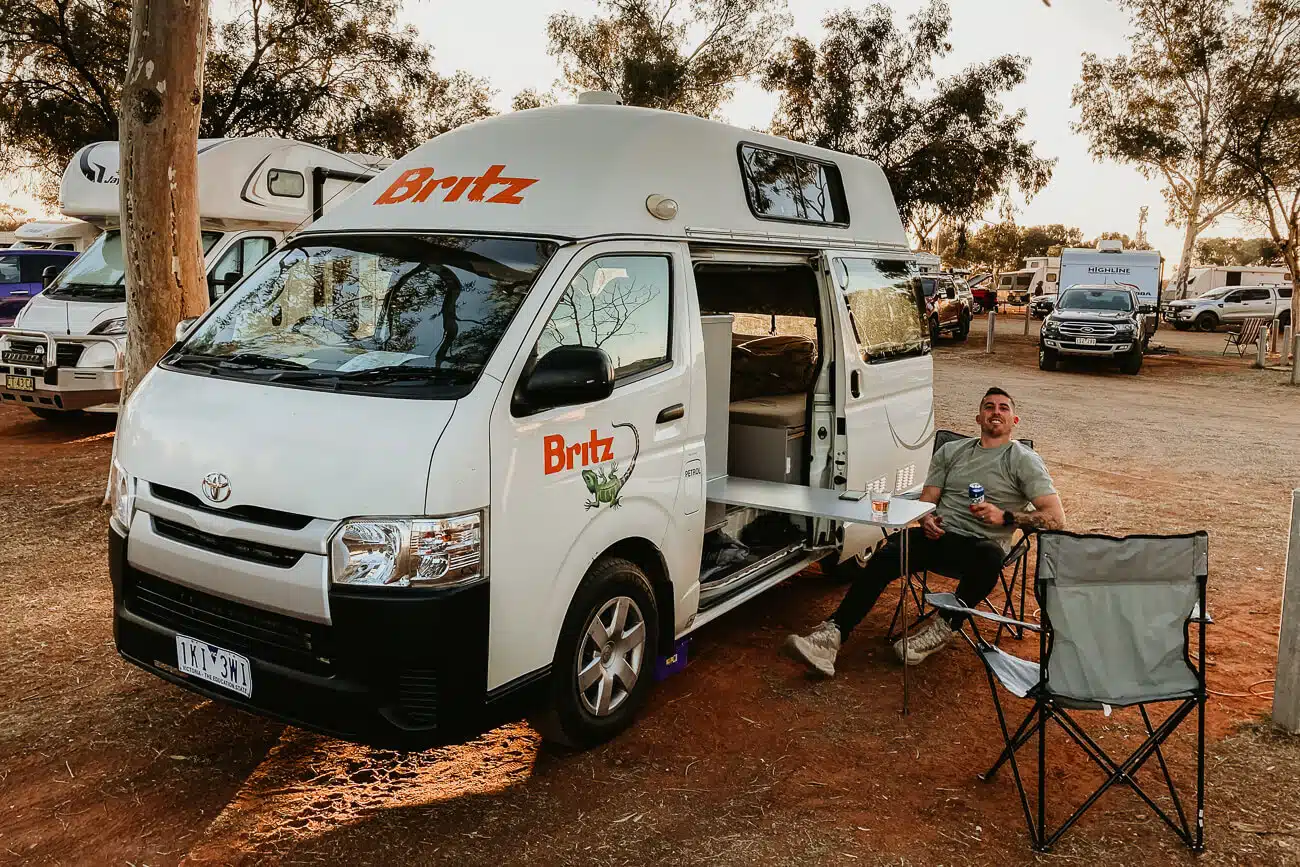
The first trip can feel like a lot: choosing a vehicle, planning a route, and trying to guess what it will all actually cost.
The reality is that campervan travel is far more straightforward than it seems. You’re combining your transport and accommodation into one, which means fewer moving parts to organise and a lot more flexibility once you’re on the road.
If you’re getting ready to book your first campervan, here are the key things worth knowing before you lock anything in.
1. Choose the Right Type of Campervan
Start with how you actually want to travel day to day.
Smaller campervans are compact, easier to park, and generally more affordable. They suit solo travellers, couples, and shorter trips where you expect to spend most of your time outdoors.
Larger motorhomes provide more headroom, storage, and onboard facilities. Features like a separate bathroom and a larger kitchen can make a noticeable difference on longer journeys, or if you’re travelling with family.
If you’re unsure which option fits your plans, this guide is a useful breakdown of the key differences:
Campervan vs Motorhome: Which One Should You Hire for Your Australian Road Trip?
It covers space, facilities, driving experience, and comfort so you can align the vehicle with your travel style.
You can also see the current range of campervans and motorhomes here.
2. Know What’s Included in the Vehicle
Before you book, check exactly what comes with the campervan.
Most vehicles include the core essentials:
- sleeping area
- basic cooking facilities or a small kitchenette
- fridge or cooler
- storage space for luggage
- indoor seating or dining area
Larger motorhomes may add:
- bathroom with a shower and a toilet
- larger kitchen setup
- more interior living space
Look closely at the equipment list. Some rentals include bedding, towels, kitchen kits, and outdoor chairs as standard. Others treat these as paid extras. Knowing this in advance helps you avoid bringing unnecessary gear or being surprised by add-on costs at checkout.
A simple test is to picture a full day on the road – from morning coffee to going to bed – and confirm the vehicle has what you need for that routine.
3. Match the Vehicle to Your Group Size
Berth capacity is more than just how many people can technically sleep in the van.
Most campervans range from 2-berth models up to 4- or 5-berth layouts. Motorhomes often offer more flexible sleeping arrangements and extra floor space, which is useful for families or longer trips.
If you’re travelling for more than a few days, a little extra room usually pays off. It gives you space to move around, store luggage neatly, and handle rainy days without feeling cramped.
As a rule of thumb, avoid choosing the smallest possible option if you’re already unsure about space.
4. Sketch Out Your Route Before You Book
You don’t need a detailed itinerary, but you should have a rough outline of where you’re going.
A basic route helps you:
- estimate how many days you’ll realistically need
- choose a logical pickup and drop-off location
- understand how much driving each day will involve
Australia’s road trips range from coastal drives to national parks and inland routes. Distances can be longer than they appear on the map, so it’s worth planning with that in mind.
If you’re still deciding where to go, these destination ideas are a good starting point here.
Even 10–15 minutes of route planning can clarify which type of vehicle and hire period will make sense.
5. Understand Campervan Hire Pricing
Campervan hire costs in Australia vary based on vehicle type, season, location, and how far in advance you book.
In general:
- smaller, simpler campervans sit at the more budget-friendly end
- larger motorhomes with bathrooms and extra features cost more per day
- peak periods (school holidays, summer, major events) are priced higher and book out earlier
For a more detailed breakdown of typical price ranges and what affects them, you can read:
How Much Does It Cost to Hire a Campervan in Australia in 2026?
The guide walks through example costs and shows how your choices (vehicle size, timing, route) influence the overall budget.
6. Factor In the Rest of Your Trip Costs
The daily hire rate is only one part of your total spend.
Common additional costs can include:
- Fuel – especially on longer routes between cities and regional areas.
- Campsites and caravan parks – particularly if you want powered sites and full facilities.
- Insurance upgrades – reducing your excess for more peace of mind.
- National park passes – for certain parks and protected areas.
- Optional extras – child seats, outdoor furniture, GPS units, or extra bedding.
7. Read the Insurance and Protection Details
Insurance is worth understanding before you arrive at the depot.
Most rentals include a basic level of cover, but with a higher excess. You can usually pay more per day to reduce that excess and add extra protection.
When you compare options, check:
- the standard excess amount
- the reduced excess options and their daily cost
- any exclusions (for example, windscreens, tyres, overhead or underbody damage)
8. Get Comfortable with the Driving Basics
If you’re new to driving in Australia or to driving a larger vehicle, set a few simple ground rules.
In Australia:
- you drive on the left-hand side of the road
- seatbelts are required for every passenger
- everyone must travel in a proper, seatbelted seat (no sitting at the table or lying in bed while moving)
Plan realistic driving days with time for stops and avoid driving at dawn, dusk, or at night in rural areas, when wildlife is more active.
In more remote regions, it’s sensible to fill up with fuel regularly, carry drinking water, and download offline maps in case reception drops out.
9. Know Where You Can Stay Overnight
Overnight parking rules are not the same everywhere. Many towns, particularly in popular coastal areas, don’t allow sleeping in vehicles in regular car parks or on residential streets. Fines are common in these areas.
Most campervan travellers choose to stay in:
- holiday parks and caravan parks (often with powered sites)
- designated campgrounds near national parks or attractions
Powered sites let you plug into mains electricity, recharge the camper’s house battery, and comfortably run built-in appliances. Holiday parks typically offer showers, toilets, camp kitchens, and laundry facilities.
Some regions also offer budget or free camping areas, particularly inland. These range from simple rest areas to more established sites. Certain places are restricted to self-contained vehicles (those with their own toilet and waste storage), so it helps to know whether your campervan meets that standard before you rely on those options.
10. Pick a Practical Pickup Location
Finally, choose a pickup location that aligns with your route rather than starting “anywhere and driving from there.”
Collecting your campervan in a major city makes it easier to access popular routes and nearby destinations. You can compare options across several key locations with us, including:
- Sydney
- Melbourne
- Brisbane
- Cairns
- Perth
- Hobart
Once you’ve chosen a starting point, you can map out where you’ll go from there and roughly how many days you’ll need. From that point, booking the right campervan becomes a straightforward final step rather than the first big hurdle.
Start Planning Your Campervan Adventure
If you’re ready to start planning your road trip, you can explore the campervans and motorhomes here